


Industry insights / 2026-07-15
Digitalization of industrial energy use in the 15th Five-Year Plan carbon peaking action plan
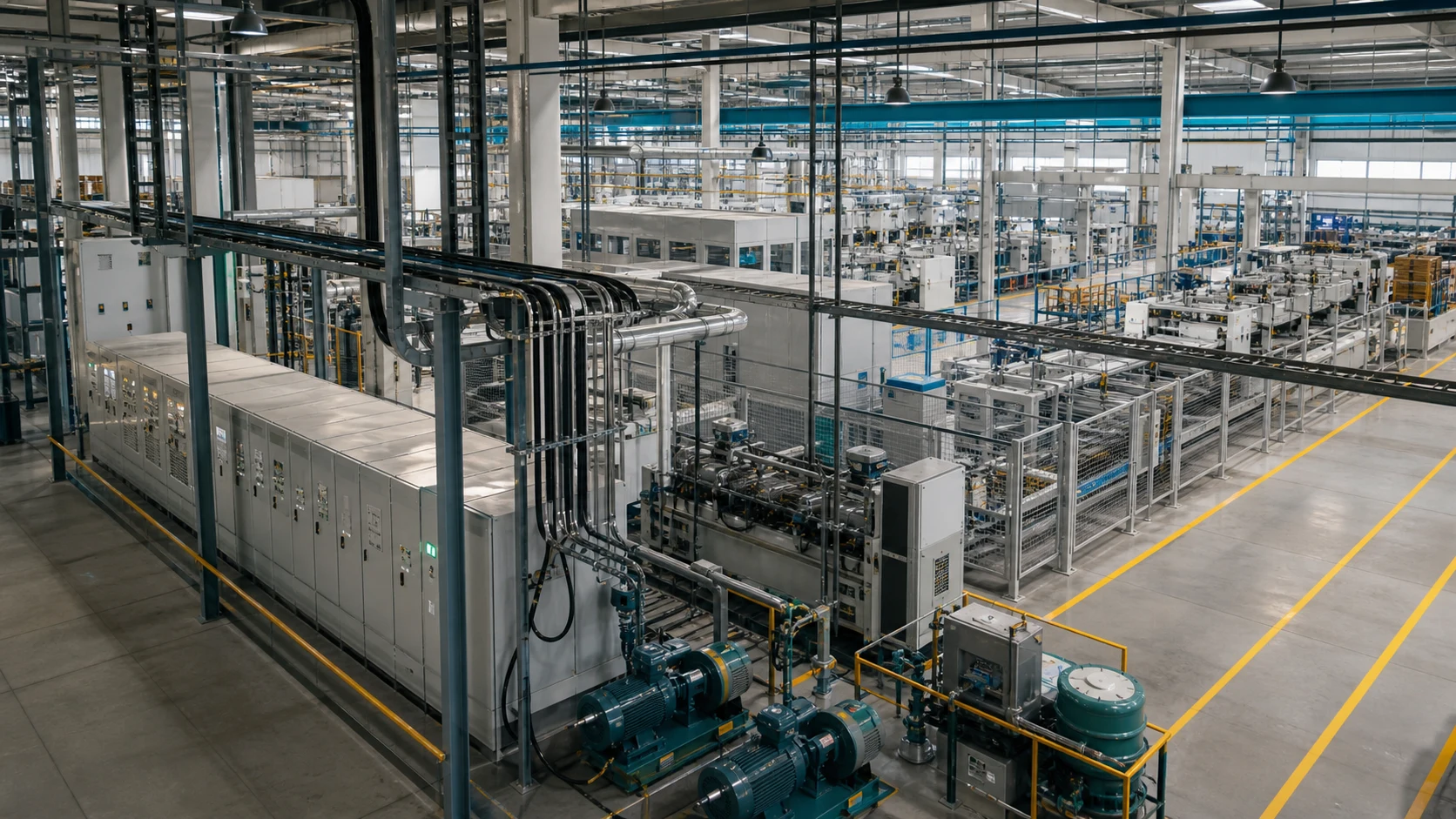
The State Council's 15th Five-Year Plan Carbon Peaking Action Plan is dated 5 July 2026; it was published on the Chinese government website on 9 July and reposted by the Ministry of Ecology and Environment on 14 July. The plan sets targets of a 17% reduction in carbon dioxide emissions per unit of GDP by 2030 compared with 2025 and a 25% share of non-fossil energy in total consumption. Energy saving and carbon reduction, digital transformation and energy and carbon management in industry therefore now sit within the same policy framework.
From periodic statistics to continuous operation
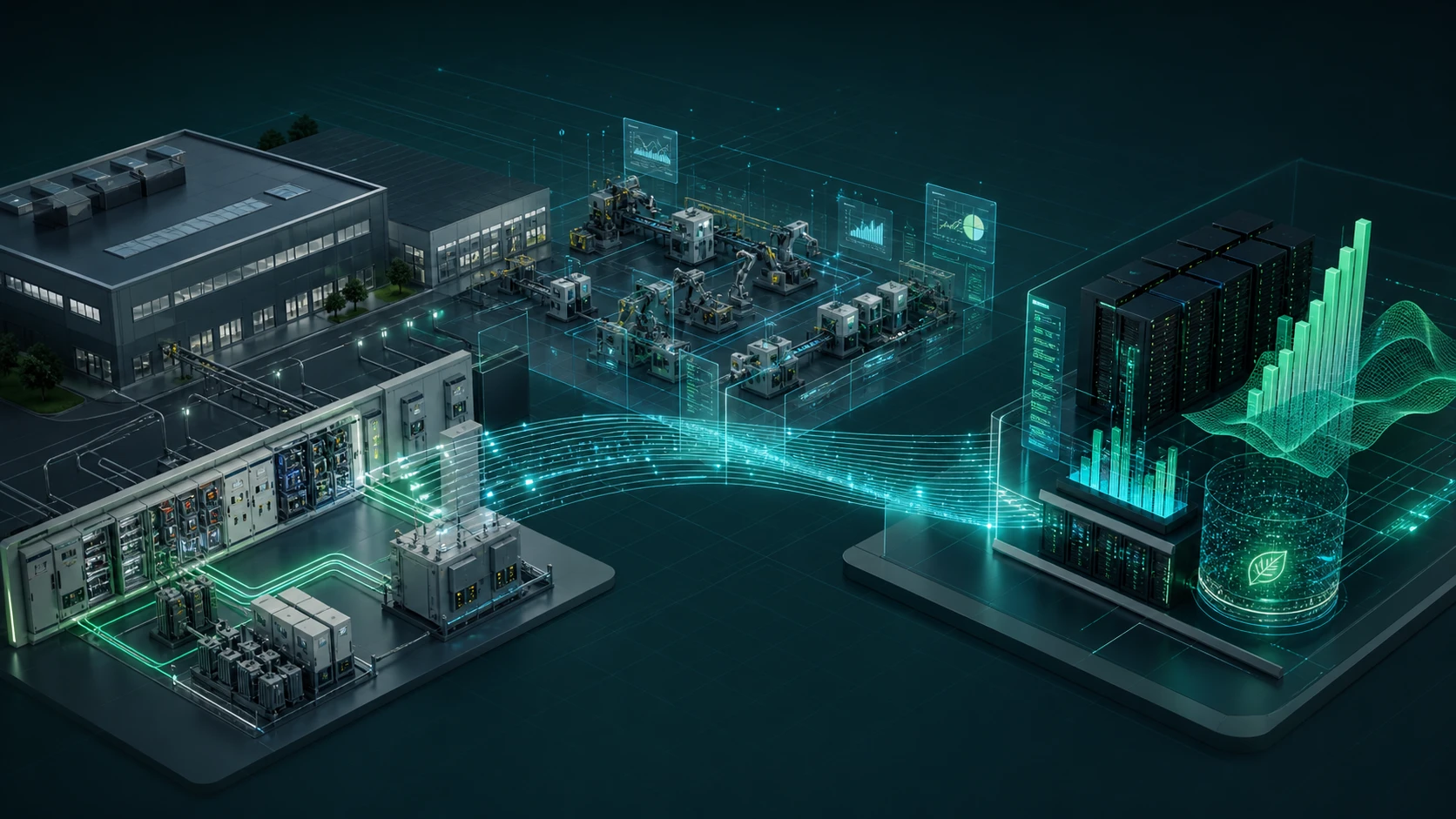
The action plan calls for energy-saving and carbon-reduction retrofits and digital transformation in key industries, supports industrial parks in building digital energy and carbon management centers, and sets out the construction of around 100 national-level zero-carbon parks and around 500 zero-carbon factories during the 15th Five-Year Plan period. Digitalization here is not just about compiling reports; it is also about how data flows continuously from equipment, circuits and production processes into the management system.
Data boundaries determine whether analysis results are usable
The 2025 guide issued by the Ministry of Industry and Information Technology for digital energy and carbon management centers in industrial enterprises and parks incorporates data collection, analysis, energy and carbon-emissions management, benchmarking, budgeting, and accounting support into one framework. In engineering practice, each measurement point should be tied to specific equipment, a production line, or a feeder, with consistent timestamps, units, and change records.
Engineering implementation reference for industrial energy consumption data
| Data levels | Main records | Application boundaries |
|---|---|---|
| Distribution circuit | Energy, electrical status, and events | Must correspond to specific feeders and equipment |
| Production operations | Production line status, shifts and working conditions | Must use the same time basis as the electrical data |
| Energy and carbon management | Aggregation, benchmarking, budgeting and accounting support | Not a substitute for formal accounting rules |
Low-voltage power-distribution data is one basic source of information
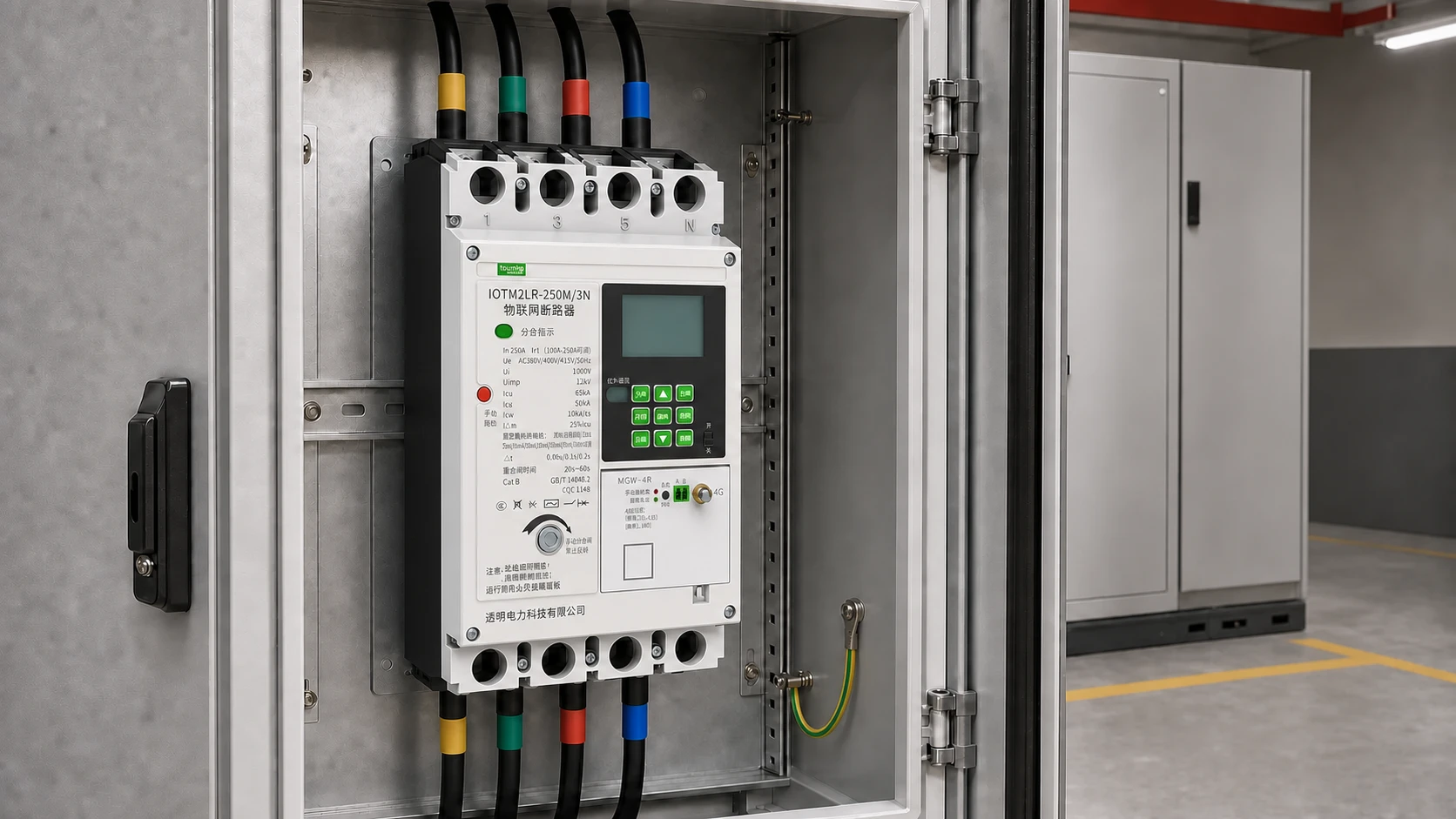
In industrial settings, smart moulded-case circuit breakers are typically installed on main-distribution or feeder circuits. Measurement, status, and event data supported by the specified model and project configuration can be transmitted through the communications link to an upper-level system, adding distribution-side data to energy-use records. They do not replace statutory metering, carbon-accounting methods, protection settings, or on-site safety management.
Source
This article is based on the State Council’s "15th Five-Year Plan Carbon Peaking Action Plan" (Guofa [2026] No. 22; drafted on 5 July 2026, published by the Chinese government website on 9 July and reprinted by the Ministry of Ecology and Environment on 14 July) and the Ministry of Industry and Information Technology’s "Guidelines for Building Digital Energy and Carbon Management Centers for Industrial Enterprises and Parks", together with its official interpretation dated 18 March 2025. The distribution equipment mentioned here is described for industry applications; it is not equipment mandated by the policy.