


Industry insights / 2026-07-03
Sub-metered energy data for energy efficiency and carbon reduction in public buildings
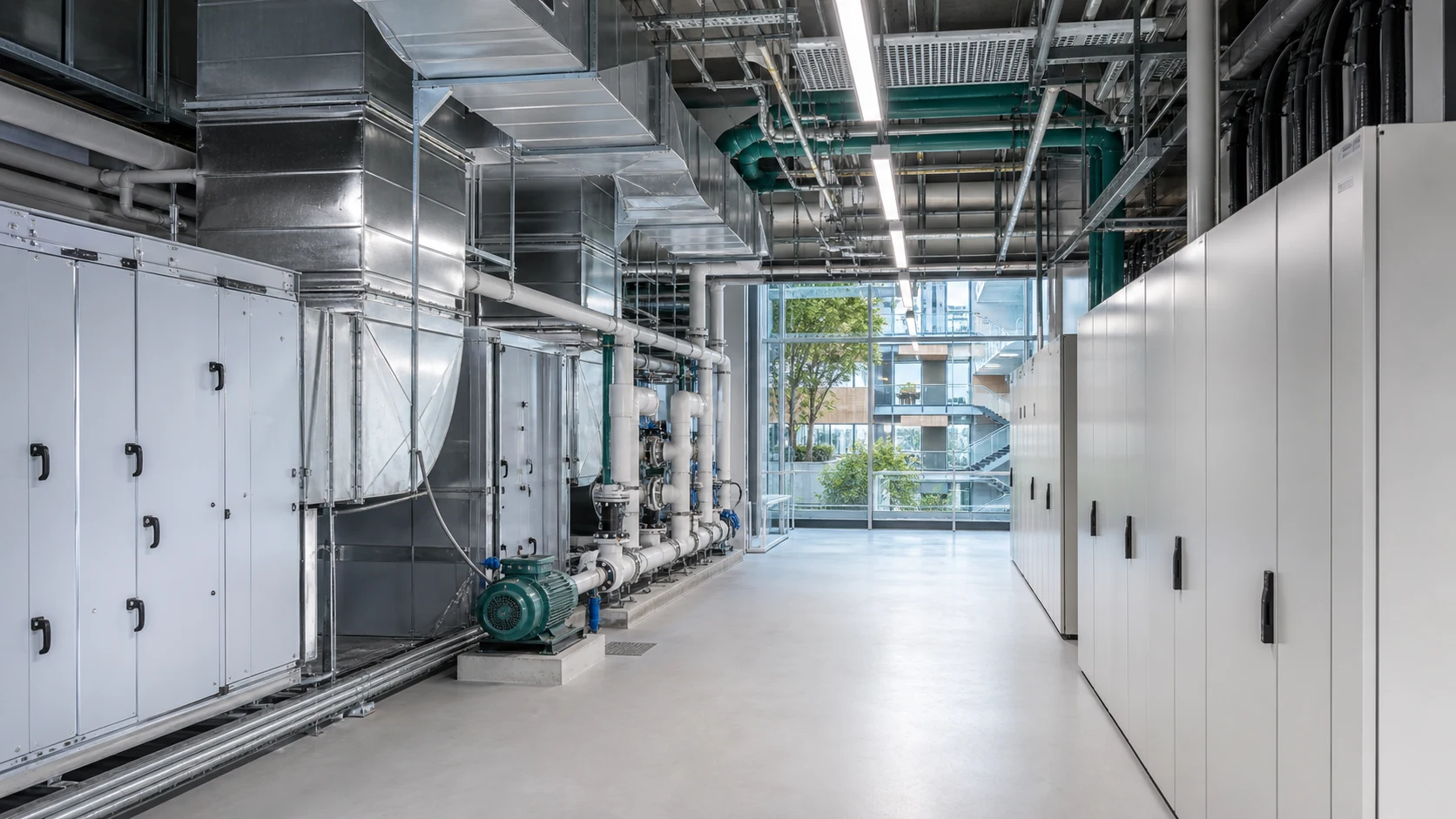
In March 2024, the General Office of the State Council circulated the Work Plan for Accelerating Energy Saving and Carbon Reduction in the Building Sector issued by the National Development and Reform Commission and the Ministry of Housing and Urban-Rural Development. The document addresses retrofits of existing buildings and also brings the operation of key equipment in public buildings, energy-efficiency oversight and digital management within its scope. Building energy use is therefore no longer judged on annual totals alone; day-to-day operating records have also become an important basis.
The main meter and sub-metered data answer different questions
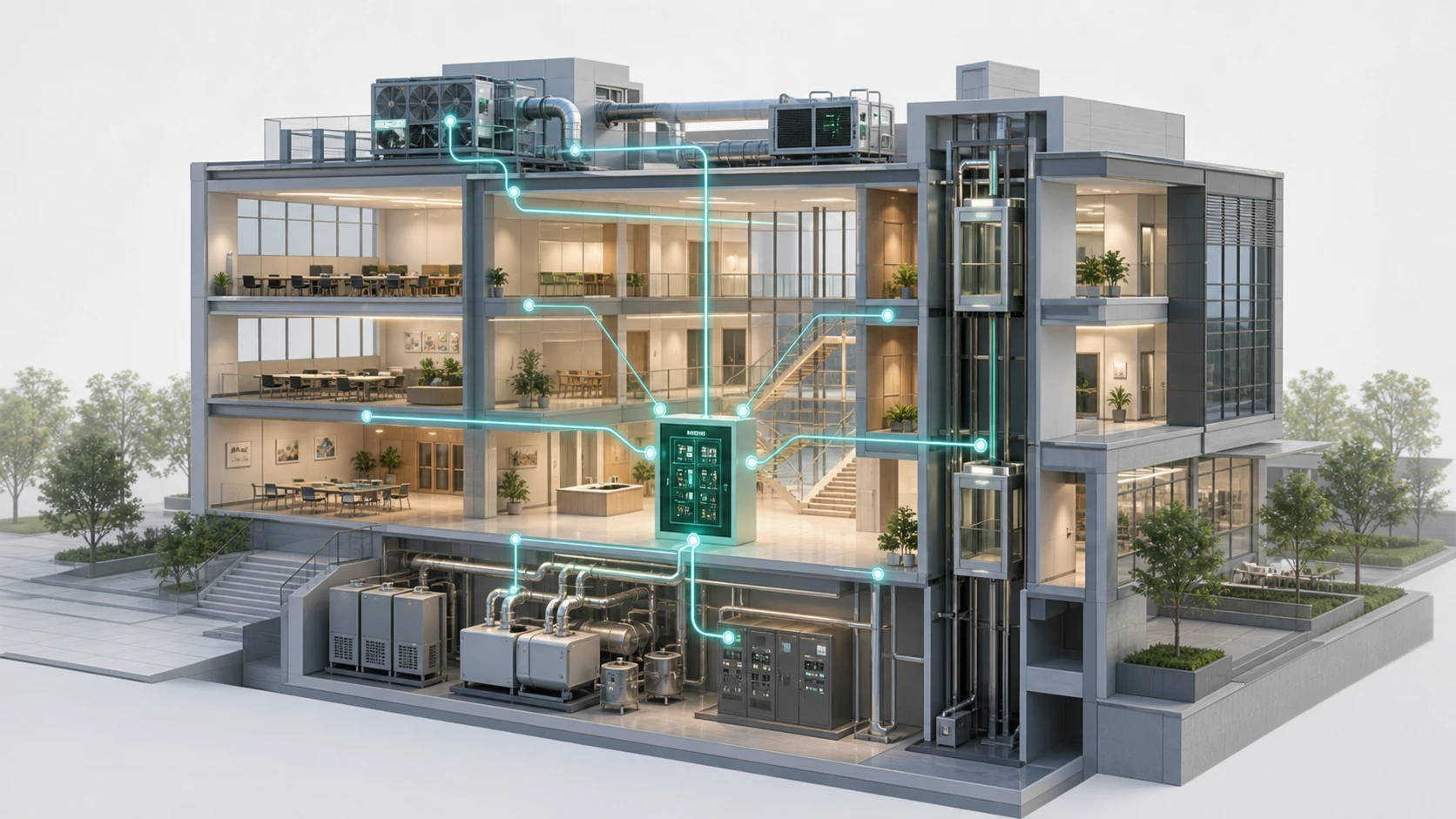
A whole-building meter can show how energy use changes over a day, month, or year, but it cannot identify whether the change comes from air conditioning, lighting, lifts, or a particular area. Sub-metered data links each record to a defined system or management zone, allowing operators to assess the source alongside equipment start/stop events, opening hours, and maintenance history.
Operating conditions are still part of the data
Weather, occupancy, and opening or office hours all affect public-building energy use. Before-and-after comparisons should also check outdoor temperature, equipment operating conditions, maintenance history, and any change in the metering boundary. A sub-metered curve offers clues, but it does not establish an energy-saving conclusion on its own.
Distribution circuits are one entry point for sub-metered records
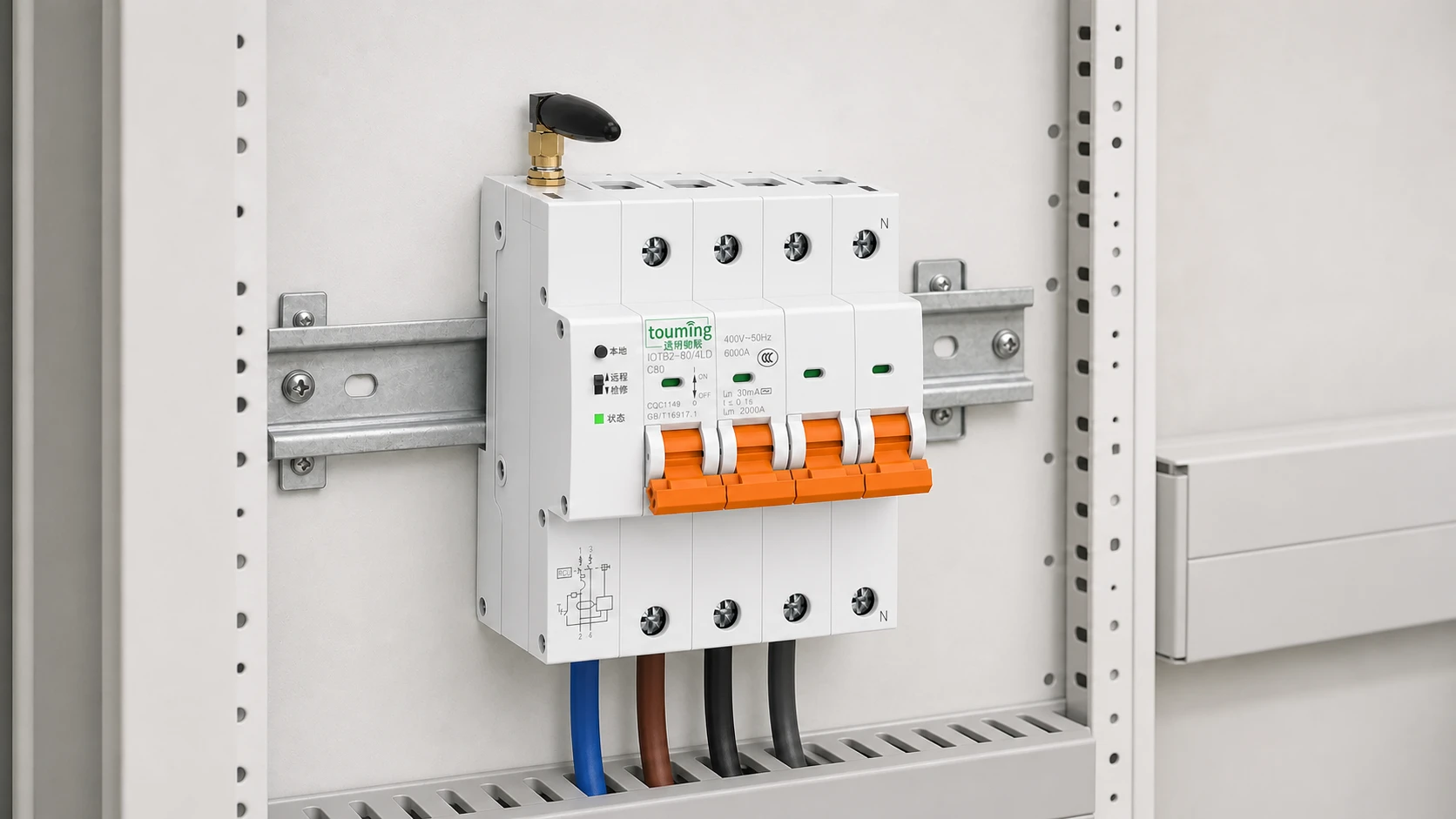
Where the distribution boundary is clearly defined, final-circuit smart circuit breakers can record the electrical measurements, operating status and events of the circuit concerned and pass them to an upper-level platform through a companion gateway or the project communication link. The specific capability depends on the product model and project configuration, and it does not replace statutory metering, an energy audit or an HVAC control system.
Source
This article is based on the State Council General Office notice forwarding the National Development and Reform Commission and Ministry of Housing and Urban-Rural Development work plan for accelerating energy conservation and carbon reduction in the building sector (State Council General Office Letter [2024] No. 20, drafted on 12 March 2024 and made public on 18 March). The document does not require smart circuit breakers, nor does it prescribe the same level of sub-metering for every building.